By Grant Cool
•
July 3, 2026
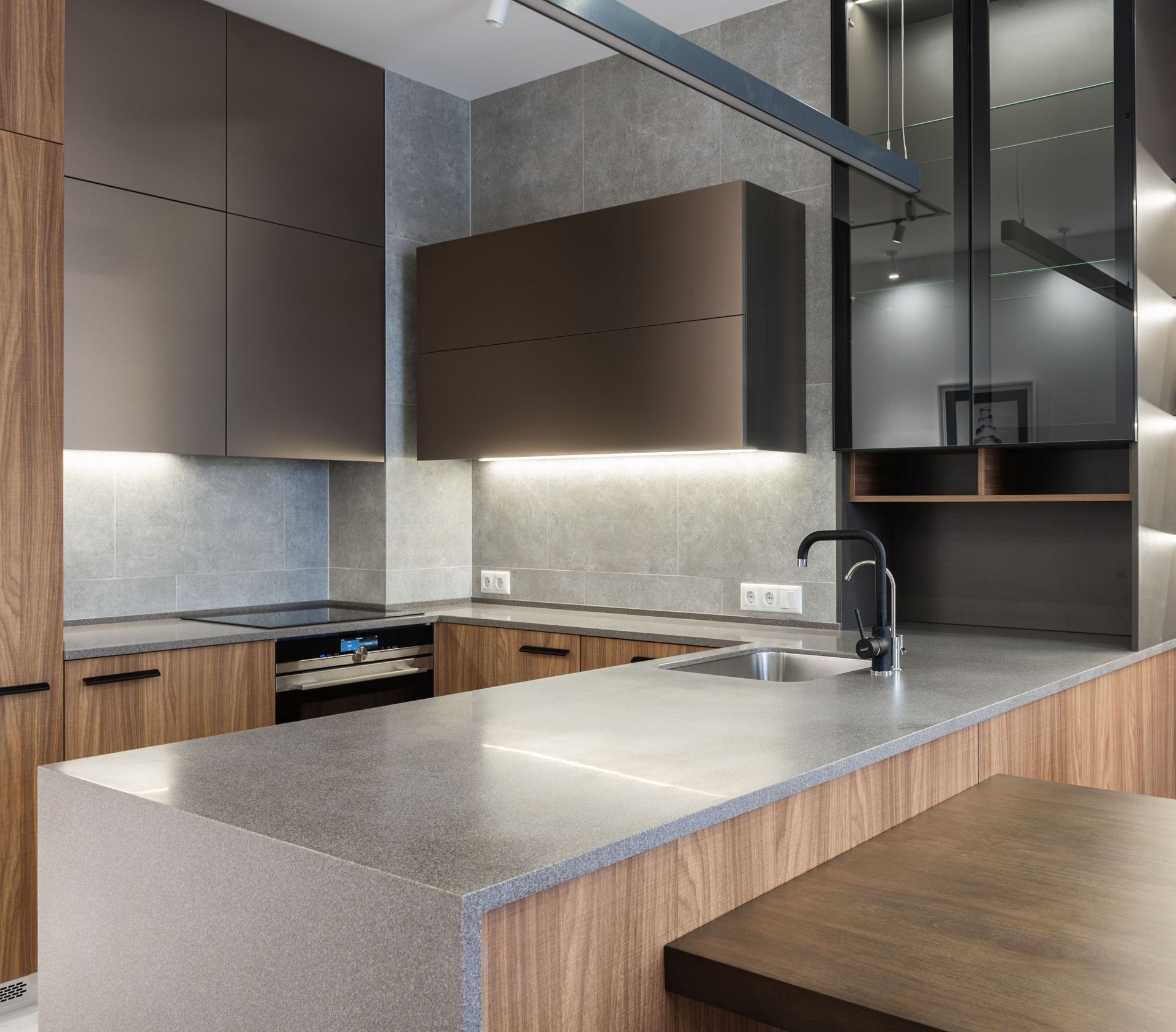
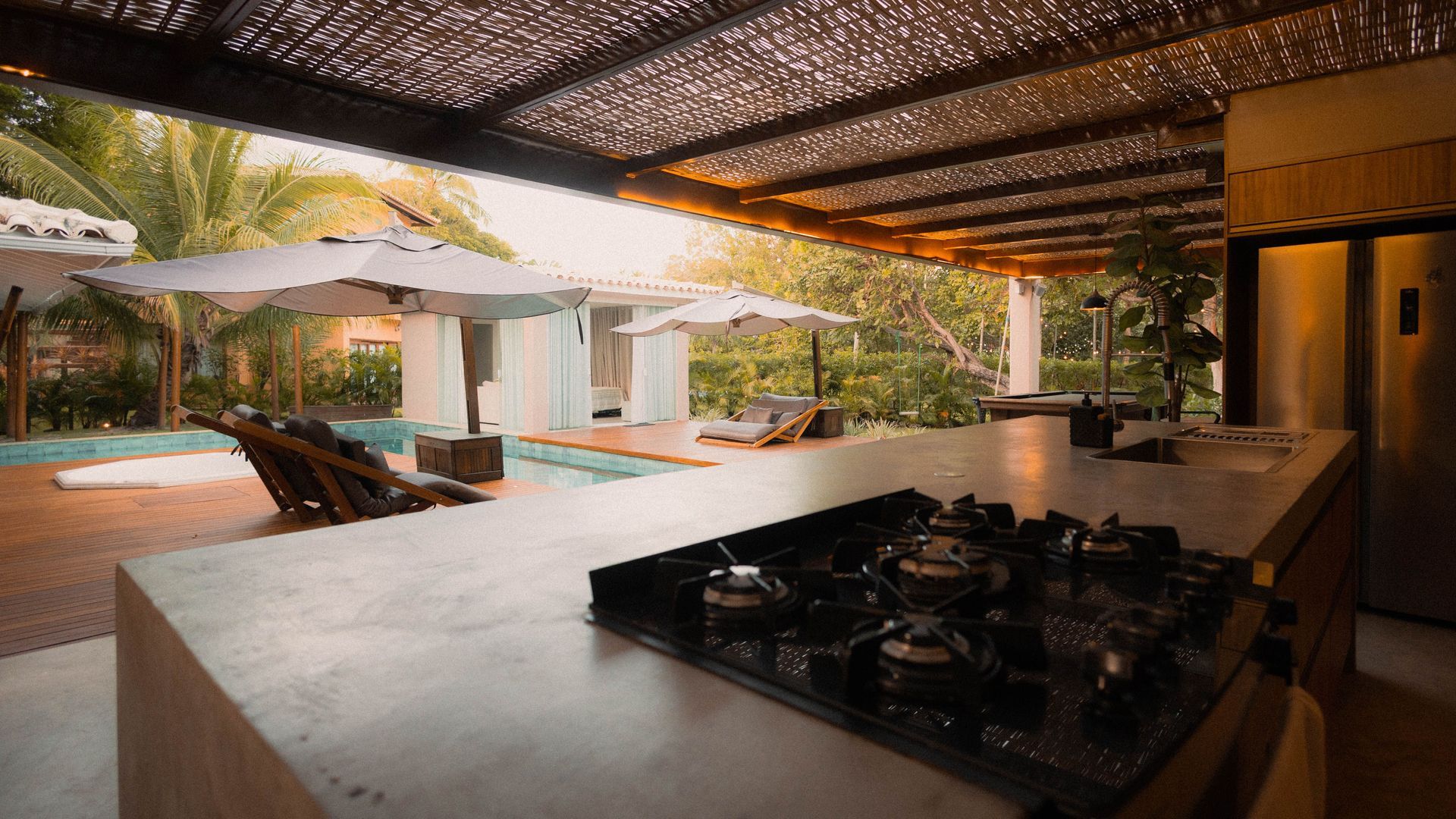
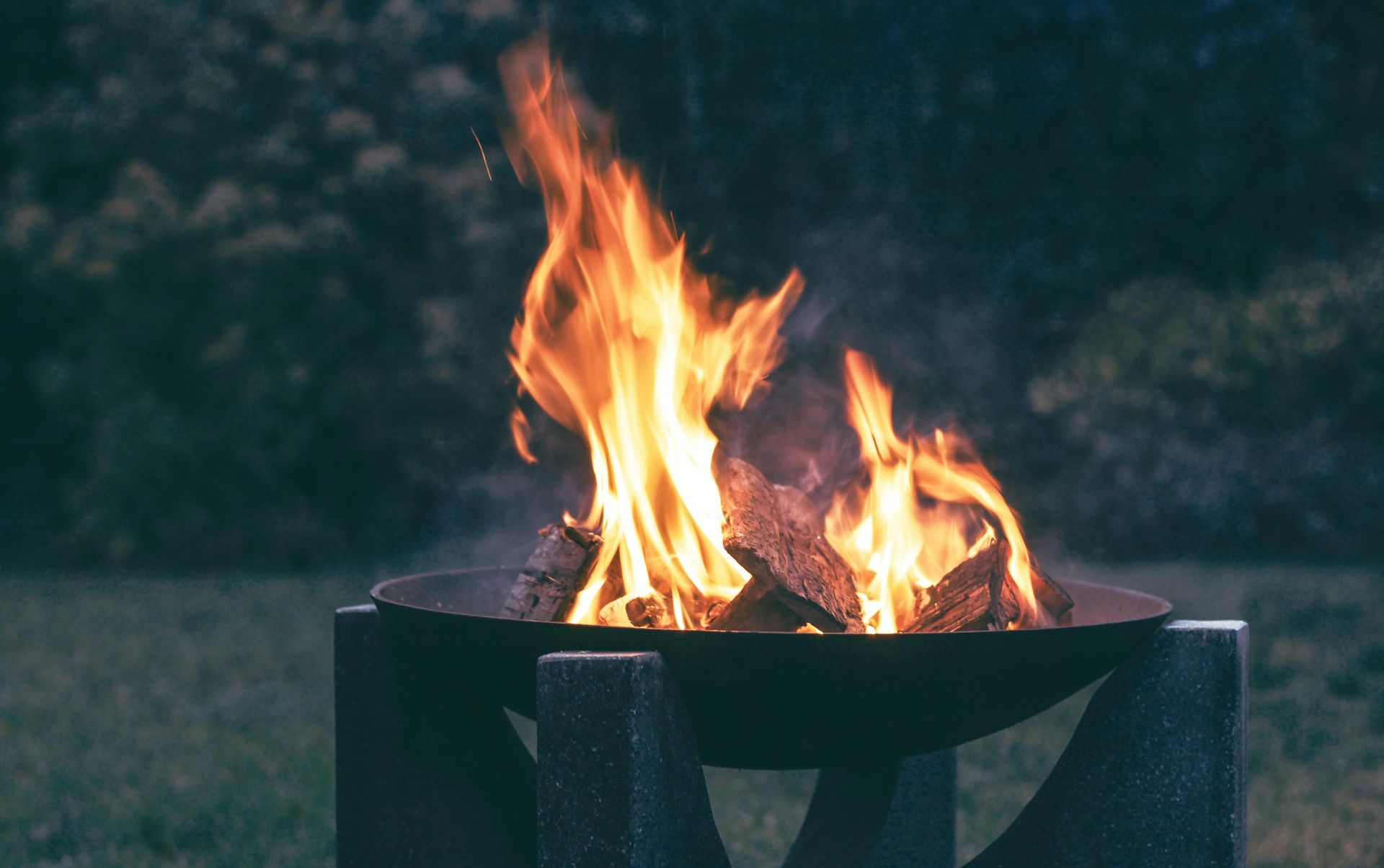
An outdoor kitchen turns an ordinary backyard into the true center of your home. It's where weekend cookouts, holiday gatherings, and easy weeknight dinners come to life. But building one that lasts—and looks incredible—takes more than a grill and a few pavers. It takes the right material, smart design, and expert guidance. That's where New Braunfels Concrete comes in. As your local concrete specialist, the team helps homeowners design, customize, and build outdoor concrete kitchens made for the way you cook and entertain. In this post, you'll learn why concrete is the smart choice for an outdoor kitchen, the features worth considering, how the process works from start to finish, and which type of concrete fits your project best. Why Choose Concrete for Your Outdoor Kitchen? Concrete has become the go-to material for outdoor kitchens, and for good reason. It combines strength, style, and staying power in a way few other materials can match. When you weigh it against tile, wood, or prefabricated stone, the advantages stack up quickly. Built to Last for Decades An outdoor kitchen takes daily abuse—hot pans, spilled drinks, constant use, and full exposure to the elements. Concrete handles all of it. It won't rot like wood or rust like metal, and a properly sealed surface resists chips, cracks, and heavy wear. Once it's built right, your kitchen becomes a permanent feature that holds its shape and function for years. Weather Resistance That Holds Up Texas weather puts outdoor surfaces to the test—intense summer heat, heavy downpours, high humidity, and the occasional cold snap. Properly sealed concrete shrugs it all off. It resists UV fading, moisture, and the kind of breakdown that ruins cheaper materials. Your countertops and islands stay sharp through blazing summers and cool winters alike. Heat Resistance Where It Counts Concrete is naturally heat-resistant, which makes it ideal near cooktops, ovens, and built-in grills. It holds up to high temperatures without warping or scorching the way some materials do. Trivets and hot pads still help protect the finish long-term, but concrete gives you real peace of mind around a hot grill. Almost No Maintenance Required Concrete asks very little of you. A wipe-down with mild soap and water keeps most surfaces looking pristine. There's no annual staining or sealing marathon like you'd face with wood, and concrete naturally resists mold and mildew. Periodic resealing is the one task worth keeping up, and it protects against stains for years. Endless Customization This is where concrete truly shines. Because it's cast in molds, it can take almost any shape, size, or finish you want. You're not limited to standard slab dimensions or a short list of colors. You can personalize every detail: Color: Integral pigments run color all the way through the piece, or surface stains create layered, varied tones. Texture: Choose a smooth polished surface for a modern look, or a textured finish that mimics natural stone. Specialty finishes: Wood-look concrete delivers the warmth of timber with the durability of stone. That flexibility means your kitchen matches your vision on purpose—not pieced together from off-the-shelf parts. Popular Design Elements for an Outdoor Concrete Kitchen A great outdoor kitchen is more than a cooktop. The right mix of features makes it functional, beautiful, and built for gathering. Here are the elements homeowners love most. Concrete Countertops Countertops are the workhorse of any outdoor kitchen. Concrete versions deliver the upscale look of natural stone with better durability and full customization. They're heat-resistant, cast to your exact dimensions, and available in nearly any color or texture. Whether you want a smooth polished surface or a rugged stone-look finish, the choice is yours. Kitchen Islands A concrete island anchors the whole space. It offers prep room, storage, and casual seating in one central hub. Cast as a solid, seamless piece, an island stands up to years of use without wobbling or wearing down—and it becomes the natural gathering point for guests. Outdoor Bars Nothing elevates entertaining like a dedicated outdoor bar. A concrete bar top pairs beautifully with stools and can include built-in features like a sink, ice well, or beverage fridge. The seamless surface wipes clean in seconds, so cleanup never slows the party down. Built-In Grills and Cooktops Concrete surrounds are ideal for built-in grills because they're naturally heat-resistant and won't warp near high temperatures. A custom concrete grill station integrates your cooktop cleanly into the design, replacing that bulky freestanding grill with a polished, permanent centerpiece. Fire Features A concrete fire pit or fireplace extends your kitchen's use well into the cooler months. Concrete handles high heat with ease, making it perfect for fire feature surrounds and surrounding seating. It turns an outdoor kitchen into a true year-round gathering space—especially welcome on crisp Hill Country evenings. Quick tip: Pick the two or three features that fit how you actually entertain. Build around those first, then expand later if you want. Solid-Cast Concrete vs. GFRC: Which Fits Your Kitchen? Not all concrete is built the same way, and the right type depends on your layout and goals. New Braunfels Concrete helps you weigh both options for each part of your kitchen. When Solid-Cast Concrete Makes Sense Traditional solid-cast concrete is heavy and permanent—there's no way around it. For built-in countertops, islands, and grill surrounds that stay in one place, that weight is a real advantage. Choose solid-cast when: The feature is a permanent fixture that won't move. You want maximum durability for a high-use surface. You like a rugged, substantial feel. When GFRC Is the Better Choice Glass fiber reinforced concrete (GFRC) is reinforced with glass fibers, which lets it be cast in thinner sections without sacrificing strength. The result is significantly lighter than standard concrete with comparable durability. GFRC works best when: A piece needs to go on a deck, balcony, or raised structure. You want intricate detail, curved edges, or a sleeker profile. Weight limits or installation access are a concern. Many outdoor kitchens use a smart mix of both. New Braunfels Concrete walks you through which type fits each element based on placement, weight, and how you'll use the space. How New Braunfels Concrete Designs and Builds Your Kitchen Sourcing prefabricated pieces from a big-box retailer limits you to standard sizes and finishes. Working with a local expert means every element is built for your space, your style, and your climate. New Braunfels Concrete guides you through the entire process. Planning your layout. The team starts by learning your space, how you cook, and how you entertain. They map out a functional flow—prep zones, cooking areas, and seating—that makes the kitchen effortless to use. Selecting the right materials. Based on placement, weight, and exposure, they recommend solid-cast or GFRC for each feature and help you choose durable, weather-ready surfaces built for the Texas climate. Choosing custom finishes and colors. From integral pigments to surface stains and specialty finishes like wood-look concrete, you personalize every detail to match your home and outdoor style. Building and installing locally. Because the team works right here in New Braunfels, you get accurate measurements, reliable scheduling, and professional installation from start to finish. The result is an outdoor kitchen designed for your life—not a generic setup that happens to fit. Common Mistakes to Avoid A few oversights can undercut an otherwise great project. Keep these in mind: Skipping the sealer. Unsealed concrete stains and absorbs moisture more easily. Make sure surfaces are sealed and resealed on schedule, especially under the strong Texas sun. Poor layout planning. A kitchen with cramped prep space or awkward flow frustrates you every time you cook. Plan the layout before choosing finishes. Ignoring the climate. Materials and sealers should suit the region's heat, humidity, and heavy rain. Local expertise makes the difference here. Buying prefabricated. Off-the-shelf pieces rarely fit your exact space. Custom work looks more intentional and lasts longer. Getting these details right from the start saves you time, money, and frustration down the road. Frequently Asked Questions Is an outdoor concrete kitchen worth the investment? Yes. Concrete's durability, low maintenance, and custom design make it a lasting feature that adds real value and years of enjoyment to your home. Can concrete countertops handle heat from a grill? Concrete is naturally heat-resistant, which makes it a strong choice near grills and cooktops. Using trivets and resealing on schedule still helps protect the finish long-term. How do I maintain an outdoor concrete kitchen? Clean surfaces with mild soap and water, and reseal periodically to guard against stains, moisture, and UV wear. Avoid abrasive cleaners that can strip the sealer. Can New Braunfels Concrete match a specific color or style? Yes. Because pieces are cast in molds, almost any shape, color, or texture is possible—including finishes designed to complement your home's existing look. Should I use GFRC or solid-cast concrete? It depends on the feature. Solid-cast suits permanent, heavy-use surfaces, while GFRC works better for lighter, detailed, or raised installations. New Braunfels Concrete helps you decide for each element. Build the Outdoor Kitchen You've Always Wanted An outdoor concrete kitchen delivers a rare mix of durability, weather resistance, heat resistance, low maintenance, and custom style. From countertops and islands to bars, built-in grills, and fire features, the possibilities are broader than most homeowners expect—and the right guidance brings it all together. The smartest first step is expert help. New Braunfels Concrete works with you from layout planning to the final finish, building a kitchen made for how you cook, gather, and entertain. Contact New Braunfels Concrete today to talk through your ideas and start designing the outdoor concrete kitchen of your dreams. Meta Title: Outdoor Concrete Kitchen Design | New Braunfels Concrete Meta Description: Design your dream outdoor concrete kitchen with New Braunfels Concrete. Get expert help with countertops, islands, fire features, and installation.