Concrete Joints: The Pros, Cons & Why They Matter
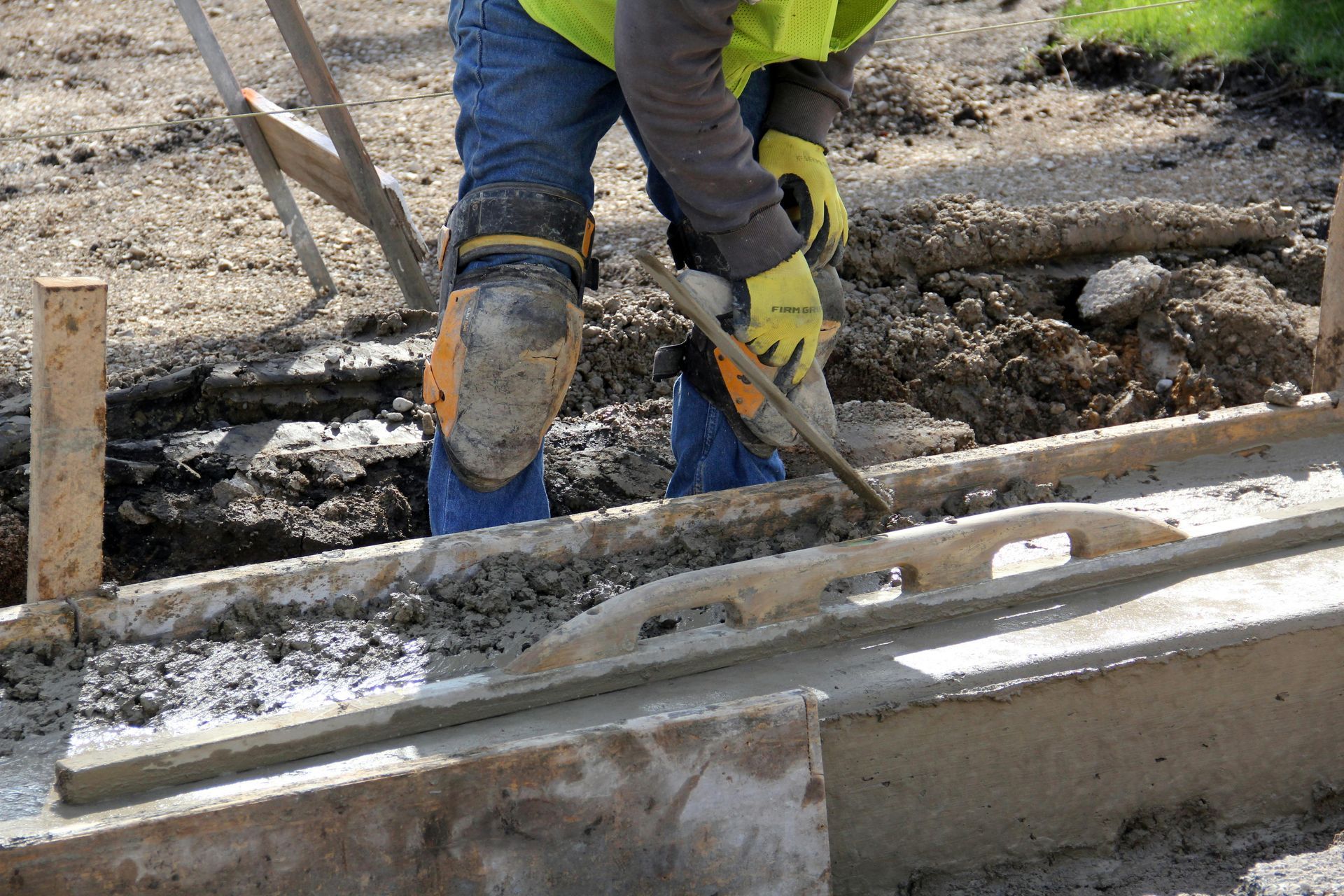
You’ve just watched the crew from New Braunfels Concrete pour a perfectly smooth, beautiful new driveway. The surface is flawless. Then, a crew member pulls out a saw and begins cutting straight lines across that pristine finish. It can be a jarring sight. Why would anyone deliberately cut into a brand-new concrete slab?
We get this question all the time, and the answer is simple: those cuts, known as concrete joints, are not a flaw. They are essential engineering. While a completely seamless slab might look great on day one, the physics of concrete and the Texas climate make it impossible for it to stay that way. Concrete moves, shrinks, and breathes. If you don’t tell it where to crack, it will decide for itself—and it rarely chooses a neat, straight line.
Understanding the pros and cons of these necessary "flaws" is key to protecting your investment. Let’s walk through what you need to know about concrete joints and how we use them to build durable, long-lasting surfaces.
The Purpose: Why Joints Are Non-Negotiable
To weigh the pros and cons, you first have to understand the science. Concrete is incredibly strong when compressed (pushed down on), but it has very little tensile strength (it can't be pulled apart without breaking).
As fresh concrete cures, the water inside it evaporates, causing the slab to shrink. Later, as it weathers the hot New Braunfels summers and cooler winters, it expands and contracts. All this movement creates immense internal tension. If that tension builds up without a planned point of release, the concrete will fail, resulting in random, ugly cracks that can compromise the entire slab. Concrete joints are simply pre-planned weak spots that guide the cracking process.
The Pros: Why Joints Are Your Concrete’s Best Friend
When installed correctly, the advantages of concrete joints far outweigh any aesthetic concerns. They are your primary defense against premature failure and costly repairs.
1. Controlled and Predictable Cracking
The main benefit of a control joint is aesthetic control. We know for a fact that concrete will crack; it's an inherent property of the material. By cutting a groove into the slab, we create a weakened plane. As the concrete shrinks, the stress is relieved by a single, straight crack forming at the bottom of the cut, hidden from view. Instead of a chaotic mess of fractures, you get a clean, intentional grid that maintains the slab's visual appeal.
2. Prevents Major Structural Damage
Expansion joints are your concrete's most important safety feature. These are the slightly wider gaps you see separating your driveway from your garage floor, or your patio from your home's foundation. They are filled with a compressible material that acts like a buffer.
When a Texas heatwave causes the slab to expand, this joint absorbs the pressure. Without it, the expanding slab would push against your house or garage with immense force, causing the concrete to buckle, shatter its edges, or even damage your home’s foundation.
3. Enhanced Durability and Longevity
By allowing the concrete to move without restraint, joints prevent the buildup of internal stresses that lead to structural failure. In a well-placed control joint, the aggregate (the stones within the concrete) interlocks across the crack line. This "aggregate interlock" helps transfer loads and keeps the surfaces on both sides of the joint level, preventing one side from sinking and creating a trip hazard.
The Cons: The Challenges of Concrete Joints
While essential, joints do introduce a few challenges that homeowners need to be aware of. At New Braunfels Concrete, we believe in being transparent about these maintenance realities.
1. They Interrupt the Seamless Look
The most obvious drawback is that joints break up the monolithic, seamless appearance of a concrete surface. For those dreaming of a perfectly smooth, uninterrupted expanse, the grid lines can feel like a visual compromise. However, a skilled contractor can often incorporate these functional lines into a decorative pattern, like a large tile design, turning a necessity into a feature.
2. Joints Require Maintenance
The grooves in your concrete are natural collection points for dirt, sand, grass seeds, and other debris. If not cleaned out periodically, you can find weeds sprouting from the lines in your driveway. Furthermore, the flexible filler used in expansion joints can degrade over time due to UV exposure and wear. This filler may need to be replaced every few years to continue protecting the joint from water intrusion.
3. Potential for Water Intrusion
An unsealed joint is a direct channel for water to get beneath the concrete slab. In climates with freeze-thaw cycles, this is a major problem. Water under the slab can freeze, expand, and lift (heave) the concrete, causing major damage. Even in our warmer climate, water can erode the soil base supporting the slab, leading to voids that cause the concrete to sink and crack.
The Different Types of Joints We Use
The team at New Braunfels Concrete doesn't just cut lines at random. We use three distinct types of joints, each serving a specific engineering purpose.
- Control (Contraction) Joints: These are the most common type. They are either grooved into the wet concrete or saw-cut after it begins to harden. We cut them to a depth of about one-quarter of the slab's thickness to create that intended weak plane for shrinkage cracks.
- Expansion (Isolation) Joints: These joints provide a complete separation between a concrete slab and another structure, like a wall, column, or adjacent slab. They run the full depth of the concrete and are filled with a compressible material to absorb movement.
- Construction Joints: These are simply the stopping points in a project, like where we end a pour at the end of a workday. We use special forms (bulkheads) or steel dowel bars to lock the two separate pours together, ensuring they function as a single, structurally sound unit.
The New Braunfels Concrete Solution
The verdict is clear: the structural benefits of concrete joints are non-negotiable for a durable, long-lasting slab. The potential downsides, such as maintenance and water intrusion, are easily managed with a proper installation and care plan. The key is working with an experienced contractor who understands the science.
The team at New Braunfels Concrete engineers the joint layout for every project. We calculate the optimal spacing based on your slab's thickness, the concrete mix design, and the local environment. We can also provide professional sealing services, filling the joints with a durable, flexible sealant. This keeps water and debris out while making the lines blend in more cleanly with the surface.
Don't let questions about joints crack your confidence in your next project. Let us create a plan that embraces the nature of concrete while delivering the beautiful, high-performance surface you expect. Ready to start your project with a team that gets the details right? Contact New Braunfels Concrete today for expert advice on your driveway, patio, or walkway.
Meta Information
Meta Title: Pros & Cons of Concrete Joints | New Braunfels Concrete
Meta Description: Learn why joints are essential for concrete durability. New Braunfels Concrete explains the pros and cons of control and expansion joints.